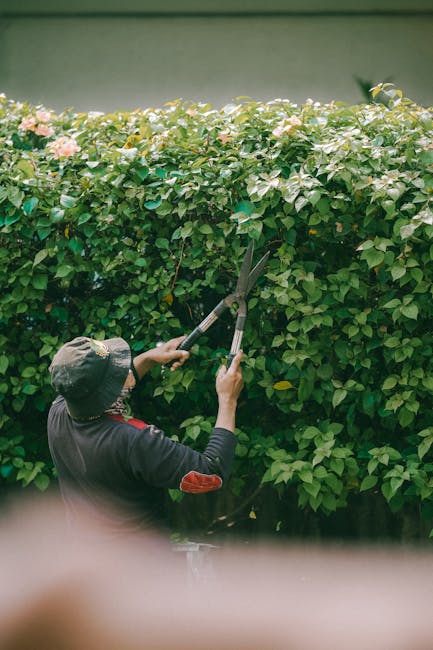
Avoid hidden charges when hiring gardeners in Battersea
If you have ever agreed a "simple" gardening job and then watched the final bill creep up, you will know how frustrating it feels. A small hedge trim turns into extra labour. Weed removal suddenly becomes a separate line. Disposal, fuel, access, and even "time on site" appear after the work is done. To avoid hidden charges when hiring gardeners in Battersea, you need more than a quick price; you need a clear scope, a written quote, and a proper conversation about what is and is not included.
This guide walks you through the practical checks that make pricing transparent. It explains how quotes usually work, which extras are fair, which ones are red flags, and how to compare gardeners without getting caught out. If you want a wider view of what a service should cover, it can also help to look at the services overview and the company's pricing and quotes information before you commit.
Expert summary: the cheapest gardening quote is not always the best value. The safest approach is a clear written scope, confirmation of access and waste removal, and a line-by-line understanding of any extras before the gardener starts. Simple enough, but people skip it all the time.
Table of Contents
- Why Avoid hidden charges when hiring gardeners in Battersea Matters
- How Avoid hidden charges when hiring gardeners in Battersea Works
- Key Benefits and Practical Advantages
- Who This Is For and When It Makes Sense
- Step-by-Step Guidance
- Expert Tips for Better Results
- Common Mistakes to Avoid
- Tools, Resources and Recommendations
- Law, Compliance, Standards, or Best Practice
- Options, Methods, or Comparison Table
- Case Study or Real-World Example
- Practical Checklist
- Conclusion
- Frequently Asked Questions
Why Avoid hidden charges when hiring gardeners in Battersea Matters
Hidden charges are not just annoying. They can distort the whole decision-making process. A quote that looks affordable at first glance may become expensive once the work is underway, especially if the gardener charges separately for green waste, extra labour, travel, specialist equipment, or additional visits. In a busy area like Battersea, where gardens can range from compact terraces to larger communal spaces, that difference can be significant.
The real problem is that many people compare garden maintenance prices without comparing the scope. One gardener may include pruning and waste removal in the base price, while another treats those items as extras. On paper, they look similar. In reality, they are not even close.
It also matters because garden work often happens in stages. A quick lawn cut today may lead to border clearing next month, then hedge work, then seasonal tidy-ups. If pricing is unclear from the start, small misunderstandings snowball. That is where trust gets damaged. And once trust goes, you end up shopping around again, which is nobody's favourite weekend task.
For homeowners, landlords, letting agents, and small businesses, transparent pricing supports better budgeting and fewer surprises. It also helps you judge professionalism. A reliable gardener should be comfortable explaining their rates, their exclusions, and the practical factors that affect price. If they are vague, that is usually telling you something.
How Avoid hidden charges when hiring gardeners in Battersea Works
The process starts before the first spade hits the soil. Good pricing usually begins with an initial discussion, a site visit or photo review, and a clear list of tasks. The gardener should understand the garden size, access, the condition of the area, and any special requirements like steep steps, narrow side entrances, or heavy waste removal.
From there, the quote should ideally separate the main service from optional extras. That might include:
- lawn mowing or strimming
- hedge trimming
- weeding and bed maintenance
- leaf clearance
- green waste collection
- labour for more difficult access
- seasonal or one-off tidy-up work
When the quote is clear, it becomes much easier to spot hidden costs. If a provider says "from GBPX" but never explains what changes the final amount, you need to ask more questions. A proper quote should tell you whether the price is fixed, estimated, or subject to inspection.
In practice, the best way to avoid extras is to define the job properly. "Tidy the garden" is too broad. "Mow front and rear lawns, remove weeds from patio edges, trim three shrubs, and take away waste" is much better. Yes, it takes a few extra minutes to spell it out. Worth it, though.
It can also help to review the company's terms and conditions and payment and security information, because that is often where payment timing, deposits, and accepted methods are explained. Small details, big difference.
Key Benefits and Practical Advantages
The obvious benefit is financial control. You know what you are likely to pay, and you can budget without crossing your fingers. But there are several other gains that people often overlook.
- Less stress: no awkward surprises after the work is done.
- Better comparisons: you can compare like for like instead of guessing.
- Improved service quality: gardeners who quote clearly often work more systematically.
- Faster decisions: once the scope is defined, there is less back-and-forth.
- Stronger trust: clear pricing usually signals a more professional operation.
There is also a practical advantage if you manage more than one property. Landlords and agents in Battersea often need repeat visits, and repeated surprises can eat away at margins. A transparent pricing structure makes it easier to plan monthly or seasonal maintenance, especially for properties with recurring tasks like mowing, hedge cutting, or clearance after heavy leaf fall.
Another quieter benefit is that it helps avoid arguments. Nobody enjoys debating whether a job was "light" or "heavy" after it has already been completed. Clear expectations keep the conversation friendly. That matters more than people admit.
Who This Is For and When It Makes Sense
This approach makes sense for almost anyone hiring garden help, but it is especially useful in a few situations.
- Homeowners who want regular garden care without budget surprises.
- Renters arranging a one-off tidy before inspections or move-out day.
- Landlords and letting agents managing multiple outdoor spaces.
- Older residents who want straightforward, calm communication and no hidden costs.
- Busy families who need predictable service, not a drawn-out billing dispute.
- Small offices or commercial premises that need dependable grounds maintenance.
It is also sensible after seasonal pressure points. Spring growth can be faster than expected, and late autumn leaf clearance can take longer than a quick sweep suggests. If your garden has become overgrown, an honest quote is even more important because the job may require more labour than routine maintenance.
To be fair, you do not need to become an expert in horticulture to hire well. You just need enough clarity to ask the right questions. The rest is mostly common sense, plus a bit of patience.
Step-by-Step Guidance
- List the exact tasks. Write down what you want done, garden by garden if needed. Include mowing, trimming, weeding, pruning, clearance, and waste removal.
- Check access and conditions. Note side passages, locked gates, parking restrictions, slopes, pets, overgrowth, or heavy debris. Access issues are a common reason prices rise.
- Ask for a written quote. A text message can be helpful for convenience, but a written quote is easier to compare and refer back to.
- Ask what is included. Does the price include labour, materials, disposal, travel, and equipment? If not, what is extra?
- Confirm whether the price is fixed or estimated. A fixed price is clearer. If it is an estimate, ask what would trigger a change.
- Ask about waste removal. Green waste disposal is a common add-on. Make sure you know whether clippings and cuttings are taken away or left on site.
- Discuss timing and minimum charges. Some gardeners have a minimum visit charge, especially for small jobs. That is not automatically a hidden fee, but it should be explained.
- Check payment terms. Find out when payment is due and which methods are accepted. This is especially important for repeat work or larger jobs.
- Keep the agreement. Save the quote, message thread, or email confirmation. A few minutes of admin can save a lot of frustration later.
If you want reassurance about service scope and how the company structures its offers, the pricing and quotes page is a sensible place to start. It keeps the discussion anchored in what is actually being provided.
A small but useful habit: before the work begins, walk the garden with the gardener if possible. It sounds obvious, but standing in the space together makes misunderstandings far less likely. You can point to the hedge, the patch of weeds by the fence, the broken paving slab, and the pile of leaves in one go. Easy.
Expert Tips for Better Results
The best way to avoid hidden charges is to think like a planner, not a passenger. Here are the habits that usually make the biggest difference.
- Use photos for the first quote. Clear photos of the whole garden, plus close-ups of problem areas, reduce guesswork.
- Be specific about waste. Say whether you want clippings bagged, removed, or left for composting on site.
- Ask about one-off versus regular maintenance. A one-off clear-up is often priced differently from routine visits.
- Check if tools are supplied. If special tools are needed, ask whether they are included.
- Clarify parking and access costs. In Battersea, parking and access can be a practical factor. Not glamorous, but very real.
- Watch for vague language. Phrases like "subject to inspection" can be fair, but they should come with a proper explanation.
One thing people often forget is that "cheap" can become expensive if the gardener has to return because the scope was unclear. The second visit is rarely where you save money. Not really.
Another useful tip is to choose clarity over speed when comparing providers. If one quote arrives quickly but is vague, and another takes a bit longer but is detailed, the slower one may actually be the better deal. That happens more often than you might think.
For extra peace of mind, check whether the business explains its standards around safety and service delivery in a public way. A page like insurance and safety can help you understand how seriously a provider treats risk and accountability.
Common Mistakes to Avoid
Some pricing problems are predictable. Once you know them, they are easier to avoid.
- Accepting a verbal quote only. Friendly, yes. Reliable, not always.
- Using broad wording like "general garden work." That leaves too much room for interpretation.
- Assuming waste removal is included. Often it is not.
- Ignoring access issues. Side gates, stairways, locked communal areas, and parking all affect the job.
- Not asking about minimum charges. Small jobs can still trigger a standard visit fee.
- Skipping the paperwork. Even a short written confirmation is better than memory.
- Choosing solely on headline price. That is how people get caught by hidden extras later.
Another common slip is not checking whether the gardener is insured or follows basic safety practices. That is not only about money. It is also about who is responsible if equipment is damaged, access is blocked, or an injury happens on site. It can get messy, quickly.
If something ever goes wrong, it helps to know that a provider has a clear route for concerns. The complaints procedure is useful to review in advance, not after the fact when you are already annoyed and staring at the invoice.
Tools, Resources and Recommendations
You do not need fancy software to manage garden quotes well. A notebook, phone camera, and a simple comparison spreadsheet are often enough. Still, a few practical tools make the process easier.
- Photos: take wide shots and close-ups before asking for a price.
- Simple checklist: list tasks and tick them off one by one.
- Message history: keep all email or text confirmations in one place.
- Calendar reminders: useful for repeat maintenance or seasonal work.
- Comparison notes: write down what each quote includes, not just the total.
It is also sensible to review supporting information about how a company handles policies, payments, and standards. These pages are not just box-ticking. They can tell you how organised the business is before you invite anyone into your garden.
- About the company for a sense of approach and values
- Payment and security details for clarity on how transactions are handled
- Health and safety policy for working practices and risk awareness
- Recycling and sustainability if waste handling matters to you
- Contact details if you need to confirm a quote or ask a follow-up question
One more practical recommendation: if you are getting multiple quotes, ask each provider the same questions in the same order. It sounds boring. It is. But it keeps the comparison clean.
Law, Compliance, Standards, or Best Practice
When hiring gardeners in Battersea, there are a few compliance and best-practice points worth keeping in mind. This is not about turning a lawn trim into a legal seminar. It is simply about being sensible.
In the UK, businesses should give pricing information honestly and avoid misleading descriptions. A quote that appears fixed but later grows because of undisclosed extras can cause dispute. The safest approach is to ask for clear terms before work begins, and to keep a written record of what was agreed.
Health and safety also matters, even for routine garden maintenance. Good practice usually includes suitable equipment, safe handling of tools, awareness of hazards like wet surfaces or trip risks, and care around waste, glass, or sharp garden debris. If a company mentions its safety practices openly, that is generally a positive sign. If they shrug and say, "We've never had a problem," well, that is not the same as a system.
Insurance is another sensible check. Public liability cover is commonly expected in professional services because accidents can happen. You do not need to interrogate every detail, but you should feel comfortable that the gardener has appropriate protection for the work being done. The site's insurance and safety page can help explain that more clearly.
For best practice, look for:
- clear scope in writing
- transparent pricing language
- reasonable explanation of extras
- safe work methods
- careful communication before and after the visit
That combination does a lot of heavy lifting. More than people realise, actually.
Options, Methods, or Comparison Table
Different pricing methods suit different jobs. Here is a simple comparison of the most common approaches.
| Pricing method | How it usually works | Best for | Watch out for |
|---|---|---|---|
| Fixed quote | A set price agreed before work starts | Clear, well-defined jobs | Make sure the scope is detailed |
| Estimate | A likely price that may change if the job differs | Jobs with unknown access or condition | Ask what could increase the final cost |
| Hourly rate | Charged by time spent on site | Variable or restoration work | Ask about minimum time charges and efficiency expectations |
| Package or maintenance plan | Regular visits with a recurring fee | Ongoing garden care | Check what happens if a visit is missed or extra work is needed |
For most people trying to avoid hidden charges, a fixed quote with a detailed scope is the easiest to manage. Estimates can still be fair, especially for overgrown gardens or jobs with unknown conditions, but they need more careful questioning. Hourly billing can work too, although it needs trust and good communication. Otherwise it can feel a bit like watching the clock in a dentist's waiting room.
Case Study or Real-World Example
Imagine a homeowner in Battersea who wants a back garden tidied before a family event. The initial request is simple: mow the lawn, trim the hedge, and clear the patio. One gardener quotes a neat headline price. Another asks for photos, confirms access through a narrow side gate, and explains that waste removal will be separate because the cuttings are likely to be substantial. The second quote looks slightly higher at first.
At first glance, the cheaper quote seems attractive. But on the day, the first gardener arrives and discovers the hedge is denser than expected, the lawn is damp, and the waste bags will need to be taken away. The final bill rises. The second gardener, by contrast, had already accounted for the access issue and disposal, so the price stayed where it was.
The lesson is simple: the "best" quote is not always the lowest one. It is the one that describes the work properly. That is the bit people remember later, usually while paying the invoice and muttering under their breath.
In a real home, this might be the difference between a pleasant Saturday tidy-up and an awkward discussion about why the bill is now higher than the number you had in your head. Nobody wants that.
Practical Checklist
Use this checklist before you confirm any gardener in Battersea.
- Have I listed the exact tasks I want done?
- Have I described the garden size and access clearly?
- Do I have a written quote or written confirmation?
- Does the quote explain what is included?
- Does it mention waste removal, travel, or materials?
- Do I know whether the price is fixed or estimated?
- Have I asked about minimum charges or hourly billing?
- Do I understand payment terms and timing?
- Have I checked insurance and safety information?
- Have I kept a copy of all messages and documents?
If you can tick all of those off, you are in a much stronger position. Not perfect, because life is not perfect, but much stronger.
Conclusion
Avoiding hidden charges when hiring gardeners in Battersea is mostly about clarity. Define the work. Ask what is included. Confirm the extras. Keep the agreement in writing. That is the core of it. Everything else flows from there.
When you take a few minutes to compare quotes properly, you protect your budget, reduce stress, and make it easier to build a good working relationship with a gardener who knows exactly what you need. That is worth doing well, especially if you want ongoing garden care rather than a one-off scramble.
And if you are still weighing up options, start with the facts in front of you rather than the lowest number on the page. Clear pricing almost always beats clever-looking pricing in the long run.
Get a free quote today and see how much you can save.
A good garden should feel calm and straightforward. Your pricing should feel that way too.
Frequently Asked Questions
How do I know if a gardening quote has hidden charges?
Look for vague wording, missing details, or phrases like "extras may apply" without explanation. A reliable quote should state what is included, what is excluded, and whether waste removal or access difficulties affect the price.
Should a gardener in Battersea give me a written quote?
Yes, ideally. A written quote makes it much easier to compare providers and avoid misunderstandings. It also gives you something to refer back to if the final bill does not match what you discussed.
Is waste removal usually included in garden prices?
Not always. Some gardeners include green waste disposal in the price, while others charge separately. You should always ask, because this is one of the most common sources of unexpected cost.
Why do some gardeners charge more after seeing the garden?
Because the size, access, condition, and workload may be different from what was first described. Overgrown areas, awkward access, and larger waste volumes can all increase labour and disposal time.
What should I ask before agreeing to a gardener's price?
Ask what is included, whether the price is fixed, how waste is handled, whether there is a minimum charge, and how payment works. Those five questions remove a lot of confusion very quickly.
Are hourly rates risky when hiring a gardener?
Not necessarily, but they require trust and clear communication. Hourly work can be fair for complex jobs, but you should ask about likely time, minimum billing periods, and what would count as extra work.
How can photos help me avoid hidden costs?
Photos give the gardener a better view of the garden before quoting. Wide shots and close-ups help them spot overgrowth, waste, tricky access, or problem areas that might otherwise lead to surprises later.
Does a cheap quote mean I'm getting a better deal?
Not always. A lower quote can be good value, but only if it includes the same work as the other quotes. If one gardener leaves out disposal, travel, or labour for difficult access, the headline price can be misleading.
What if the gardener says the job is more difficult than expected?
That can be reasonable, especially if the garden condition was not fully clear at the quoting stage. The key point is whether they explained the risk of additional charges before starting the work. If not, you should question it.
How do I compare gardeners fairly?
Use the same scope for each quote and compare the details, not just the total. Look at tasks, waste removal, payment terms, safety, and whether the price is fixed or estimated. That is the fairest way to judge value.
Do I need to check insurance before hiring a gardener?
It is sensible to do so. Insurance is part of basic professional reassurance, especially if tools are used on your property or the work involves potential hazards. It is a simple check that can save a lot of trouble.
What is the best way to avoid misunderstandings on the day?
Walk through the job in person if possible, or confirm it again by message. Point out the exact areas to be worked on, ask about waste removal, and keep the agreed price in writing. Clear communication at the start usually prevents issues later.