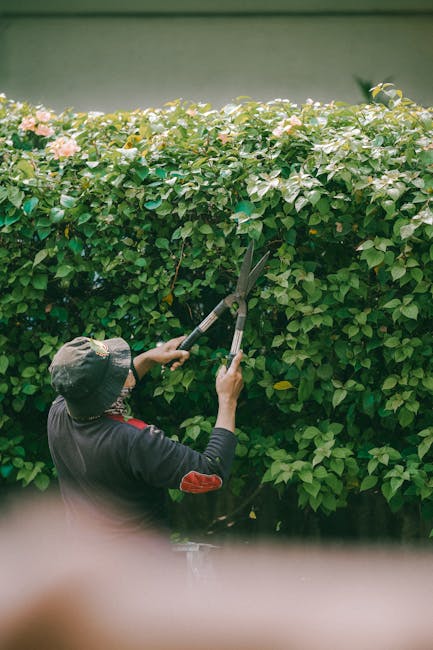
Battersea gardeners guide to garden care on Queenstown Road
If you live or work near Queenstown Road, you'll know gardens here have a particular kind of London life about them. Some are compact courtyard spaces tucked behind terraces, others are long strip gardens that catch a lot of wind, shade, or the odd burst of sunlight between buildings. The result? Garden care is never one-size-fits-all. This Battersea gardeners guide to garden care on Queenstown Road is here to help you make sensible decisions, avoid common mistakes, and keep your outdoor space looking tidy, healthy, and genuinely enjoyable through the year.
Truth be told, a well-kept garden in Battersea is not just about appearance. It's about making the most of the space you have, protecting plants from stress, and keeping on top of jobs before they turn into bigger jobs. Whether you're looking after a small front garden, a shared access area, or a private back garden, the principles are similar: observe carefully, act at the right time, and don't let the basics slide. You do not need to do everything at once.
In this guide, you'll find practical advice on seasonal care, maintenance routines, tools, costs, compliance considerations, and the real-world choices that matter when you're planning garden maintenance in Queenstown Road and the surrounding Battersea area. If you're comparing service options, you may also find the services overview and pricing and quotes pages useful as a next step.
Table of Contents
- Why Battersea gardeners guide to garden care on Queenstown Road Matters
- How Battersea gardeners guide to garden care on Queenstown Road Works
- Key Benefits and Practical Advantages
- Who This Is For and When It Makes Sense
- Step-by-Step Guidance
- Expert Tips for Better Results
- Common Mistakes to Avoid
- Tools, Resources and Recommendations
- Law, Compliance, Standards, or Best Practice
- Options, Methods, or Comparison Table
- Case Study or Real-World Example
- Practical Checklist
- Conclusion
- Frequently Asked Questions
Why Battersea gardeners guide to garden care on Queenstown Road Matters
Queenstown Road sits in a part of Battersea where gardens can be exposed to traffic dust, changes in light, tight access, and a fair amount of urban wear. That matters more than people think. Plants in city gardens often deal with compacted soil, dry borders, containers that heat up fast in summer, and shade from nearby buildings. A good care routine helps your garden cope with those conditions instead of fighting them all the time.
There's also the practical side. A tidy, well-managed garden improves the feel of a home, flat, or shared property. It can make a narrow outdoor space feel bigger, calmer, and more usable. And let's face it, once a lawn has gone patchy or a hedge has turned shaggy, it rarely fixes itself neatly. Small problems tend to snowball.
For many local residents, the real value of a Battersea gardeners guide is confidence. You start to understand what needs attention now, what can wait until next week, and what should really be left to an experienced gardener. That kind of judgement saves time and reduces waste. It also helps you spend money where it actually makes a difference.
Queenstown Road gardens often benefit from regular, light-touch maintenance rather than occasional major intervention. That means pruning before growth becomes unruly, cutting grass consistently, checking drainage after wet spells, and refreshing soil or mulch before beds start to look tired. Nothing glamorous. But effective, every time.
How Battersea gardeners guide to garden care on Queenstown Road Works
The basic approach is simple: inspect, prioritise, maintain, and review. In practice, garden care works best when you look at the space as a living system, not a set of separate chores. Lawn, borders, hedges, containers, paths, and drainage all affect each other. If one area slips, the rest often follows.
A sensible local garden care routine usually begins with a walkthrough. What looks dry? What looks overgrown? Are there any signs of pests, mildew, algae, or broken stems? Is the lawn compacted after foot traffic? Are the containers draining properly? These small observations tell you where to focus.
From there, the work becomes seasonal. Spring is about recovery and growth. Summer asks for watering discipline and regular cutting. Autumn is for clearing, cutting back, and preparing the garden for wetter weather. Winter is quieter, but still important for pruning, checking structure, and protecting vulnerable plants. That rhythm is the backbone of most effective garden maintenance.
If you prefer a professional approach, it helps to choose a service that handles routine care rather than only one-off clean-ups. You may want to review the provider's health and safety policy and insurance and safety information before booking, especially if the garden includes steep steps, shared access, or awkward corners. Those details matter more than they sound like they should.
Key Benefits and Practical Advantages
Good garden care on Queenstown Road brings several clear benefits, and they are not all cosmetic. A healthy, well-tended garden is easier to manage, more resilient in poor weather, and less likely to suffer from preventable damage. That means fewer rescue jobs later on.
- Better plant health: regular pruning, feeding, and watering helps plants grow more strongly.
- Cleaner appearance: neat edges, controlled weeds, and trimmed shrubs make a space feel intentional.
- Less long-term cost: routine maintenance usually costs less than restoring a neglected garden.
- Improved usability: paths stay clearer, seating areas feel inviting, and access becomes easier.
- Reduced risk: tidy borders and safe access reduce slips, trips, and damaged plants.
There's another benefit people sometimes forget: momentum. A garden that gets a small amount of regular attention tends to stay in better shape because it is easier to keep going. A quick trim today often prevents a two-hour battle next month. That's the quiet win, really.
For landlords, homeowners, and managing agents, good maintenance also supports a better impression for visitors, tenants, or buyers. You do not need a perfect show garden. You just need a space that feels cared for. That difference is visible the moment someone steps through the gate.
Where waste and green material build-up are involved, some households also like to plan ahead for eco-conscious disposal. If that matters to you, the recycling and sustainability page is a sensible place to start.
Who This Is For and When It Makes Sense
This guide is for anyone who wants their Battersea garden to look good without wasting time, effort, or money. That includes homeowners, renters with garden access, landlords, property managers, and busy households that simply don't want the outside space to become a weekend burden.
It also makes sense if you have a garden that is small but high-maintenance. Ironically, compact gardens often need more frequent attention because every inch is visible. A few weeds in a tiny border can make the whole space look neglected. On Queenstown Road, where outdoor space may be precious, that can be frustrating fast.
You may benefit most from a structured garden care approach if any of these sound familiar:
- you keep meaning to sort the garden, but the list never gets shorter
- the lawn looks tired or uneven after wet and dry spells
- hedges, shrubs, or climbers are getting away from you
- the garden is used for relaxing, entertaining, or family time
- you want a better presentation for a rental or sale
It's also sensible to ask for professional support if access is awkward, the garden has become overgrown, or you simply don't have the tools. There's no prize for doing everything the hard way. Sometimes the best decision is to bring in help and protect your time.
Step-by-Step Guidance
Here's a practical way to approach garden care on Queenstown Road without feeling overwhelmed. Start with the basics and build from there.
- Walk the garden slowly. Look for weeds, dead growth, broken branches, moss, poor drainage, and any areas that feel overworked.
- Deal with the obvious first. Remove litter, fallen branches, and anything blocking access. It sounds basic, but it changes the whole feel of the space.
- Cut back growth responsibly. Trim hedges, prune dead stems, and shape shrubs before they become unruly. Don't overcut in one go.
- Check the lawn. Mow at the right height, avoid scalping, and edge the borders so the area looks finished.
- Feed and refresh where needed. Add compost, mulch, or plant feed depending on the season and the plant type.
- Water with a purpose. Focus on new plants and containers, especially during dry spells. Deep watering is usually better than little-and-often splashes.
- Monitor the result. Revisit in a week or two and see what changed. Gardening teaches you to look twice, then act once.
A simple example: if your front garden is full of container plants and a small lawn strip, the first priority might be tidying edges and checking watering before you do any decorative work. Otherwise you end up polishing the visible bits while the actual plant health quietly struggles. It happens all the time.
For homeowners who want a regular care plan, service information can be explored through the garden services overview, while those comparing budgets may prefer to review pricing and quotes first.
Expert Tips for Better Results
Good garden care is usually less about dramatic effort and more about good timing. A few habits make a big difference.
- Cut little and often. Regular mowing, light pruning, and minor weed control are easier than major recovery work.
- Watch the weather. After heavy rain, avoid walking on saturated lawns. After heat, check containers first because they dry quickly.
- Use mulch where it helps. Mulch can slow evaporation, suppress weeds, and improve the look of beds. Not magic, just useful.
- Keep blades and tools sharp. Clean cuts reduce stress on plants and make work safer and neater.
- Think in layers. Lawn, border, shrub, and structure all need attention. Ignoring one layer eventually shows.
One useful local habit is to plan for shade and reflected heat. In parts of Battersea, the same spot might be cool and damp in the morning, then surprisingly warm in the afternoon. Plants feel that shift too. Choosing the right species for the right corner saves a lot of frustration later.
To be fair, not every garden needs a full redesign. Sometimes it just needs consistency. That's the quiet answer more often than people expect.
Common Mistakes to Avoid
Most garden problems I see around urban London are not dramatic. They're mostly the result of delaying simple jobs or doing them a bit too aggressively. Here are the common ones.
- Overwatering containers: soggy roots are as damaging as dry soil.
- Scalping the lawn: cutting too short stresses grass and invites weeds.
- Pruning at the wrong time: some plants tolerate it, others really do not.
- Ignoring drainage: a garden that puddles after rain will keep giving you trouble.
- Letting weeds seed: a few days' delay can become a much bigger job.
- Using the wrong tool: blunt shears and poor equipment make work slower and rougher.
Another mistake is treating every plant the same. A sun-loving perennial, a hedge, and a shaded fern do not want the same care. Sounds obvious, but people do it all the time when they are rushing. Then the garden looks tired and nobody knows quite why.
And one more: don't wait until the garden looks bad before acting. By then you are usually behind. The best time to intervene is just before things get messy. That's the trick.
Tools, Resources and Recommendations
You do not need a shed full of expensive kit to care for a garden on Queenstown Road, but the right basics make a noticeable difference. If you prefer DIY maintenance, these are the everyday tools that earn their keep.
- sharp secateurs for small pruning jobs
- hedge shears or a trimmer for light shaping
- lawnmower suited to the size of the lawn
- gloves with decent grip
- spade, hand trowel, and fork for borders and planting
- watering can or hose with controlled flow
- garden bags or bins for green waste
If you're hiring help, look beyond the headline price. Ask what is included, how often the work is carried out, and whether the gardener can handle routine maintenance as well as one-off tidy-ups. For a clearer sense of what a provider covers, it helps to check the services overview and the pricing and quotes information side by side.
Trust matters too. If you are letting someone onto the property, especially where access is shared or equipment is being used, the provider's insurance and safety page is worth reading. It is a small step, but a sensible one.
If you care about how garden waste is handled, you may also want to see the company's recycling and sustainability approach. A tidy garden should not create unnecessary waste upstream, if that makes sense.
Law, Compliance, Standards, or Best Practice
Garden care in a residential London setting does not usually involve heavy regulation for the homeowner, but there are still sensible standards to follow. Safe tool use, careful handling of waste, respectful working hours, and awareness of neighbouring properties all matter. If you live in a shared building or manage a rental, access arrangements can matter even more.
Best practice also means avoiding unnecessary disturbance. For example, noisy work early in the morning, debris left on pavements, or cuttings blocking shared paths can cause nuisance and complaints. A professional gardener should work cleanly and leave the space safe and presentable. That's not a luxury; it's the standard people expect.
Where contractors are involved, it is reasonable to ask about public liability cover, safety processes, and how they handle payments. A good provider should be open about these things. You can usually find more on the provider's health and safety policy and payment and security pages.
There are also general ethical expectations worth noting. Many customers prefer businesses that can explain their approach to accessibility, customer care, and responsible practices. If those details matter to you, it may help to look at the accessibility statement and related company information before you book. Small detail, but it tells you a lot.
Options, Methods, or Comparison Table
Different gardens need different maintenance methods. A neat comparison can help you decide how to manage your space on Queenstown Road.
| Approach | Best for | Pros | Watch-outs |
|---|---|---|---|
| DIY garden care | Small, simple spaces and confident homeowners | Flexible, hands-on, lower direct cost | Requires time, tools, and consistency |
| Scheduled maintenance visits | Busy households and gardens that need regular attention | Keeps the garden under control, less stress | Needs a reliable provider and clear scope |
| One-off tidy-up | Overgrown gardens or a reset before events | Fast visual improvement | Can be more work-intensive and not a long-term fix |
| Seasonal deep maintenance | Gardens with mixed planting or mature shrubs | Targets bigger jobs at the right time of year | Still needs light maintenance between visits |
For many Battersea properties, the sweet spot is a mix: light ongoing maintenance plus occasional deeper work. That combination keeps things manageable without turning the garden into a constant project. Nobody wants that, honestly.
Case Study or Real-World Example
Here's a realistic example based on the kind of garden care challenges common around Queenstown Road.
A small terrace property had a narrow back garden with patchy grass, two overgrown shrubs, and a line of containers near a brick wall. The owner felt the garden was "fine, just a bit messy", which is usually the point where the issues are quietly getting worse. The lawn had become thin from foot traffic, weeds were popping through the borders, and the containers were drying out too quickly in warm weather.
The first pass focused on clearing debris, reducing the height of the shrubs, and edging the lawn so the garden looked more coherent immediately. After that, the approach changed to maintenance rather than rescue: regular mowing, seasonal feeding, better watering of the pots, and a simple mulch layer for the borders. Nothing dramatic. Just the right tasks at the right time.
Within a short period, the space felt calmer and easier to use. Not perfect, not magazine-ready. But healthier, more inviting, and far less likely to slip back into neglect. That is often the real goal. A garden doesn't need to be grand to be a success.
Practical Checklist
Use this checklist if you want to keep garden care on Queenstown Road straightforward and manageable.
- Inspect the garden weekly during active growing seasons
- Mow the lawn before it becomes shaggy, not after
- Trim edges and remove weeds before they spread
- Check containers for dry soil, poor drainage, or pests
- Prune lightly and regularly rather than in one heavy cut
- Clear paths, steps, and shared access points
- Refresh mulch or compost when beds begin to look tired
- Review tools, safety, and waste disposal before bigger jobs
- Keep an eye on seasonal changes in light, shade, and moisture
- Book professional support if the space is overgrown or time is tight
Quick summary: the best garden care in Battersea is usually regular, practical, and calm. You do a little often, and the whole place starts behaving better. Simple, really.
Get a free quote today and see how much you can save.
Conclusion
Queenstown Road gardens can be rewarding, but they ask for a bit of realism. London conditions, limited space, changing light, and busy routines all shape what garden care needs to look like. The strongest approach is usually not the fanciest one. It is the one you can keep up.
If you take anything from this guide, let it be this: small consistent actions beat occasional panic. A tidy border, a healthy lawn, a clear path, and a well-timed prune can change how a whole garden feels. And when you do need outside help, choose a service that is transparent, careful, and easy to trust.
For more details about the business, you can also review the main website, plus the pages on complaints procedure and modern slavery statement if you value clear company standards and accountability. It all adds up to a better customer experience.
In the end, a well-cared-for garden is a quiet kind of pleasure. You notice it most on ordinary days. A softer breeze, a cleaner edge, the smell of cut grass after a trim. Not bad at all.
Frequently Asked Questions
How often should a garden on Queenstown Road be maintained?
That depends on the size of the garden and how fast it grows, but most urban gardens benefit from light weekly attention during spring and summer. Mowing, weeding, and quick checks stop small issues becoming bigger ones.
Is regular garden care better than one-off tidy-ups?
Usually, yes. One-off tidy-ups are useful for a reset, but regular maintenance keeps the garden healthier and easier to manage. If your space tends to get out of hand quickly, routine care is often the better choice.
What are the most common garden problems in Battersea?
Common issues include compacted soil, patchy lawns, weeds, shaded corners, dry container plants, and overgrown hedges. Urban gardens also often deal with limited access and varying levels of sunlight.
How do I know if I need professional garden help?
If the work is taking too long, the garden is becoming unsafe, or you do not have the tools or time, it probably makes sense to bring in help. If the space has become overgrown, professional support can save a lot of effort.
What should I look for in a local gardener?
Look for clear communication, sensible pricing, safety awareness, insurance, and a service scope that matches your needs. It also helps if the provider explains how they handle waste and routine maintenance.
Can a gardener help with both lawns and borders?
Yes, and ideally they should. Good garden care often includes lawn mowing, edging, weeding, pruning, and border maintenance. A service that only handles one part of the garden may not give you the best overall result.
How much does garden maintenance usually cost?
Costs vary depending on garden size, condition, access, and the type of work involved. A tidy, regular maintenance visit is usually more straightforward to price than a heavily overgrown garden that needs a full reset.
What time of year is best for pruning?
It depends on the plant. Some shrubs and hedges can be shaped in active growth periods, while others are better pruned at specific times of year. If you are not sure, light pruning and deadheading are safer starting points.
How can I keep a small Battersea garden looking bigger?
Neat edges, simple planting, tidy paths, and uncluttered borders all help. A compact garden often feels larger when the layout is calm and well maintained rather than crowded with too much going on.
Is waste disposal included in garden services?
It depends on the provider, so always check first. Some services include green waste removal, while others may charge separately or expect the client to arrange disposal. It is one of those details worth confirming early.
Why is safety important in garden maintenance?
Because garden work often involves sharp tools, ladders, uneven ground, and heavy or awkward items. Safe working practices protect both the gardener and the property, especially where access is tight or shared.
What is the best first step if my garden feels overwhelming?
Start with a simple inspection and identify the three biggest issues. Usually that means clearing debris, cutting back overgrowth, and dealing with the lawn or borders first. Once the space is back under control, everything becomes easier.