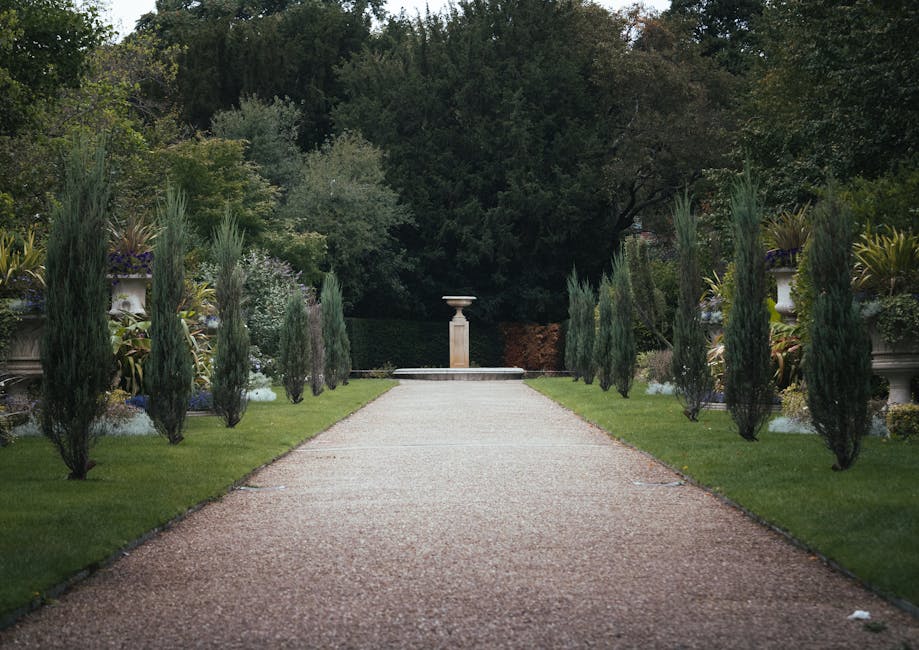
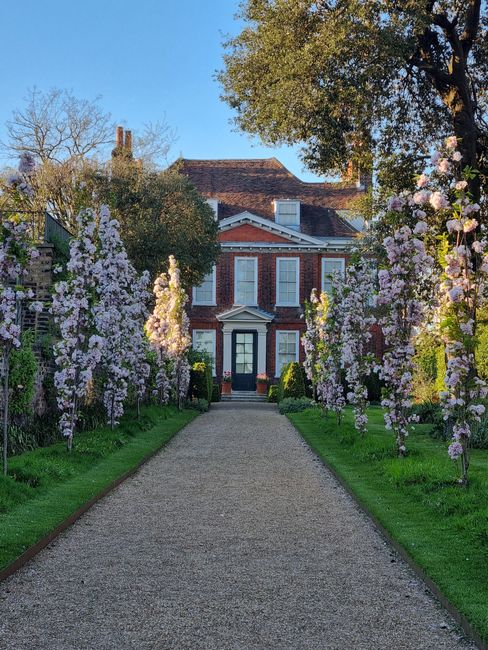
Estate Gardening Guide for Battersea Nine Elms Gardeners
If you look after shared gardens, private courtyards, podium planting, or managed green spaces in Battersea and Nine Elms, you already know the job is bigger than "keeping the grass neat." The best estate gardening guide for Battersea Nine Elms gardeners is about consistency, presentation, safety, and making the space feel cared for all year round. In a dense part of London, those little details matter. A clipped hedge, a clean edge, and healthy planting can completely change how residents experience a development.
This guide breaks down how estate gardening actually works, what makes it different from standard domestic garden care, and how to keep everything looking tidy without creating more work for yourself later. We'll cover seasonal priorities, common mistakes, practical tools, compliance points, and when it makes sense to bring in professional support. Straightforward, local, and useful.
Table of Contents
- Why estate gardening matters in Battersea Nine Elms
- How estate gardening works day to day
- Key benefits and practical advantages
- Who this is for and when it makes sense
- Step-by-step guidance
- Expert tips for better results
- Common mistakes to avoid
- Tools, resources and recommendations
- Law, compliance, standards and best practice
- Options, methods and comparison table
- Case study or real-world example
- Practical checklist
- Conclusion
- Frequently asked questions
Why Estate Gardening Guide for Battersea Nine Elms Gardeners Matters
Estate gardening is not just about appearances, although to be fair, appearances are a big part of the job. In Battersea Nine Elms, outdoor spaces often sit between busy roads, apartment buildings, communal entrances, and high footfall areas. That means every bed, border, lawn, and hedge has to do a few jobs at once: look good, stay safe, and cope with regular use.
For gardeners working across estates, the challenge is usually not one single task. It is the combination of them. One week you are managing fast spring growth; the next you are dealing with bin stores, leaf fall, patchy lawn wear, or planters that dry out in warm weather. And because these spaces are shared, one missed maintenance cycle can be noticed by everyone.
Good estate gardening also protects long-term value. Healthy planting lasts longer, lawns recover better, and hard landscaping stays cleaner when vegetation is managed properly. In practical terms, that often means less emergency work later. No one wants to spend a wet November morning trying to rescue a neglected border because it was left too long. That is the sort of job that turns into a small headache, then a bigger one.
Expert summary: In estate settings, gardening is really a schedule-based maintenance system. The aim is not just to make the space look nice today, but to keep it safe, resilient, and easy to manage next month.
For local property managers and gardeners, this matters even more because Battersea and Nine Elms estates tend to combine residential expectations with a polished visual standard. The pressure is on, but the good news is that a clear routine solves most problems before they grow teeth.
How Estate Gardening Guide for Battersea Nine Elms Gardeners Works
Estate gardening works best when you treat the site as a set of zones rather than one generic garden. A communal lawn needs different attention from a raised planter. Shady corners near buildings behave differently from sunny terraces. A hedge beside a walkway needs more frequent attention than a decorative shrub bed tucked away from traffic.
Most effective estate garden plans follow a simple pattern:
- Inspect the site for safety issues, weak growth, broken edging, weeds, damage, and access problems.
- Prioritise high-visibility areas such as entrances, paths, main lawns, and seating areas.
- Carry out the core maintenance tasks like mowing, edging, pruning, deadheading, weeding, sweeping, and watering.
- Check the details after the main work is done, because little things add up fast on shared sites.
- Record what has been done so the next visit is easier to plan and residents or managers have clarity.
That last point is underrated. A simple note about what was cut, what was missed, and what needs watching next time can save a lot of guesswork. It sounds dull. It is dull. But it helps.
In a typical Battersea Nine Elms estate, you may also need a blended approach. For example, lawn care might be weekly in the growing season, hedge work every few weeks, and planting bed attention on a more flexible cycle depending on weather. If the site includes terraces, decked seating, or narrow access routes, you may need different tools and a slower workflow to avoid damage.
That is why many teams pair routine gardening with broader support such as garden maintenance, lawn mowing, and hedge trimming. It keeps the estate looking coherent rather than patched together.
Key Benefits and Practical Advantages
Done properly, estate gardening gives you more than a tidy appearance. It improves how the entire site functions day to day.
- Better first impressions: Residents, guests, and visitors notice clean edges, healthy planting, and uncluttered entrances immediately.
- Reduced safety risks: Overgrown shrubs, slippery leaves, obstructed paths, and poor visibility around corners can all be managed before they become a problem.
- Lower long-term costs: Consistent maintenance is usually cheaper than major recoveries after neglect.
- Healthier planting: Proper pruning, feeding, watering, and weed control reduce stress on the garden.
- Better resident satisfaction: People may not always say it, but they absolutely notice when the outside space feels cared for.
- Cleaner shared spaces: Regular sweeping, clearance, and seasonal tidy-ups stop mess from spreading into entrances and hard surfaces.
One real-world example: a small planting bed outside a building entrance can go from attractive to messy in a few weeks if dead flowers, self-seeded weeds, and fallen leaves are left in place. A fifteen-minute tidy, repeated regularly, keeps that bed looking intentional. That is the difference between "managed estate" and "we'll sort it later."
There is also a less obvious benefit: good gardening reduces complaints. People rarely complain about flowers that look healthy and paths that feel neat. They do complain about sightlines blocked by hedges or a lawn that turns into a muddy track after being ignored. Fair enough, really.
Who This Is For and When It Makes Sense
This guide is for anyone responsible for a shared or managed outdoor space in Battersea Nine Elms. That includes property managers, resident associations, letting teams, concierge-led developments, grounds staff, and self-managed blocks. It is also useful for gardeners who have recently taken on estate work and want a more structured way of approaching it.
It makes sense when the space has any of the following:
- shared access routes or communal lawns
- high foot traffic from residents or visitors
- mixed planting with lawn, shrubs, and hard landscaping
- raised beds, planters, or podium gardens
- limited storage, water access, or tool access
- regular resident expectations around appearance
If you are managing a small private garden, you may not need this level of structure. But once a space is shared, visible, and expected to stay presentable every week, estate-style maintenance becomes the smarter model.
It is also worth saying that not every estate needs the same intensity of care. A mature, established development may need more pruning and green waste control. A newer site may need more attention to irrigation and plant establishment. If the planting is young, you will spend more time supporting roots than shaping tops. That sort of thing gets missed quite often.
Step-by-Step Guidance
Here is a practical way to manage estate gardens without overcomplicating the process.
1. Start with a full walk-through
Walk the site before you start work. Look for weeds, leaf build-up, damaged edging, signs of pest stress, broken irrigation, leaning shrubs, compacted soil, and any access issues. You may spot things that are easy to ignore when you are rushing. Don't.
2. Divide the estate into zones
Split the area into clear sections such as entrance planting, central lawn, boundary hedges, seating areas, service areas, and hard surfaces. Each zone will need a different rhythm of care. Once you group the work this way, planning gets much easier.
3. Tackle the high-impact tasks first
On a typical visit, start with anything that affects safety or first impressions: litter pick, sweep, mow, edge, trim obstructions, and remove dead or broken growth. Then move into detailed planting work. The eye always goes to the obvious bits first.
4. Manage seasonal growth properly
Spring and early summer usually bring the fastest growth. That is when lawns need regular cutting and hedges can suddenly look like they have had a growth spurt overnight. Autumn brings leaves, damp debris, and extra clearing. Winter is more about structure, drainage, and preventing damage than pushing growth.
5. Keep planting beds tidy and breathable
Remove weeds before they set seed. Deadhead flowers where appropriate. Mulch if the planting scheme benefits from it, but do not bury stems or create damp pockets around trunks. A tidy bed should still let air and water move through it.
6. Check hard surfaces and edges
Estate gardening often overlaps with patios, paths, decking, and boundary areas. Leaves and algae on hard surfaces can become slippery, and messy edges make even a neat garden feel unfinished. This is where services such as decking services and landscaping can support the wider maintenance plan.
7. Finish with a walk-back inspection
After the work is done, take one more walk through the estate. That final look catches small issues like missed clippings, uneven edges, overwatered planters, or a hedge line that still looks a bit off. A five-minute review can save a week of annoyance.
Expert Tips for Better Results
Over time, the best estate gardening teams usually develop a few habits that make a disproportionate difference.
- Cut little and often: especially on lawns and fast-growing hedges. It is cleaner, easier, and less stressful for the plants.
- Work from the public-facing areas inward: people judge the first ten metres hardest, so start there.
- Use the weather wisely: damp conditions can be good for planting, but not ideal for heavy foot traffic or mowing if the lawn is waterlogged.
- Know what not to touch: some shrubs and trees respond badly to harsh cuts at the wrong time. A neat trim is not the same as a hack job. Let's face it, the plant knows the difference.
- Protect roots and surfaces: estate work often involves tight spaces, so be careful with wheelbarrows, mowers, and sharp tools near soft bark, tiles, or timber.
- Plan for waste removal early: green waste builds quickly on shared sites. If you do not think about removal in advance, the tidy-up turns into a storage issue.
Here is a small but useful trick: keep a "repeat offenders" list. If the same patch always collects litter, if one hedge always grows faster, or if a planter always dries out first, you can plan for it next time. That one habit makes a site feel quietly under control.
And yes, a sharp set of blades matters. Blunt tools make ragged cuts, which look rough and can stress the plant. Nobody needs that extra drama.
Common Mistakes to Avoid
Even experienced gardeners slip into patterns that create more work later. On estates, those mistakes can be magnified.
- Letting growth run too long: one missed visit can turn a tidy trim into a bigger reshaping job.
- Ignoring drainage or compaction: if areas stay soggy or hard underfoot, the planting will struggle and the lawn may thin out.
- Using the wrong pruning approach: hard cuts at the wrong time can reduce flowering, damage shape, or leave ugly stubs.
- Overwatering or underwatering planters: both are common, especially on sheltered podium gardens.
- Skipping waste clearance: loose clippings and cuttings make a site look unfinished, and they can block drains or attract pests.
- Trying to do everything at once: estate gardening works best when the site is broken down into manageable routines.
A very common mistake is assuming that "tidy" means "done." It usually does not. A lawn may look acceptable from a distance but still need edging, feeding, scarifying, or patch repair. That's where a proper maintenance view helps.
Another one: trimming hedges too narrowly just to save time. It may look neat for a week, then expose gaps and create future maintenance headaches. A little restraint goes a long way.
Tools, Resources and Recommendations
You do not need every gadget on the market. What you need is a reliable kit suited to compact London estate work.
| Tool / resource | Best use | Why it matters on estates |
|---|---|---|
| Quality mower | Lawn cutting and finish work | Gives a consistent look and handles regular cycles better |
| Hedge trimmer | Boundary and feature hedge shaping | Helps keep lines even without overcutting |
| Secateurs and loppers | Fine pruning and thicker stems | Useful for plant health and detailed work |
| Leaf rake and blower | Seasonal clearing | Prevents slippery paths and messy entrances |
| Wheelbarrow or collection sacks | Green waste movement | Essential when access is tight or waste is heavy |
| Watering equipment | Planters and newly planted areas | Helps with establishment and dry spells |
For bigger or more complex sites, a formal maintenance plan helps more than buying extra tools. In many cases, the smartest move is to combine routine care with occasional support from professionals who already understand estate pacing, access issues, and resident expectations. If you need a broader service picture, the services overview is a useful starting point.
You can also look at garden clearance when a site has become cluttered or overgrown, and tree lopping and removal if larger woody growth is causing shade, obstruction, or safety concerns. For more structured, ongoing support, ongoing garden maintenance often makes the most practical sense.
Law, Compliance, Standards and Best Practice
Estate gardening in the UK is not just a beauty task. It also sits alongside safety, access, and general duty-of-care expectations. You do not need to turn the whole thing into a legal lecture, but you do need to be sensible.
In practice, that means keeping paths clear, avoiding trip hazards, managing overhanging growth, using equipment safely, and making sure garden waste is handled responsibly. If a development has shared access or public-facing areas, maintenance should never create new hazards while trying to remove old ones.
Good estate practice usually includes:
- Safe working methods: especially near residents, vehicles, and entrances.
- Insurance awareness: anyone carrying out professional garden work should be appropriately covered for the tasks they perform.
- Clear communication: residents should know when noisy or disruptive work is happening.
- Waste handling: clippings, branches, and soil should be removed or stored properly.
- Respect for planting schemes: especially on managed developments where appearance matters.
If you are arranging third-party help, it is sensible to review insurance and safety, and to check the provider's health and safety policy. You may also want to understand payment and security and the company's terms and conditions before any ongoing arrangement begins.
For residents and managers, environmental responsibility matters too. A sensible approach to composting, green waste, and material reuse can reduce disposal problems and improve the overall upkeep culture. The page on recycling and sustainability fits naturally here.
Options, Methods, and Comparison Table
Not every estate needs the same maintenance model. Here is a simple comparison to help you decide what suits your site.
| Approach | Best for | Strengths | Limitations |
|---|---|---|---|
| In-house garden care | Small teams with time and tools | Direct control, familiar site knowledge | Can become inconsistent if staffing is stretched |
| Scheduled professional maintenance | Busy estates and shared spaces | Reliable routine, better finish, less admin | Requires clear brief and budget planning |
| Reactive call-out work | Occasional tidy-ups | Useful for one-off issues | Often too late for the best results |
| Hybrid approach | Most Battersea Nine Elms estates | Balanced control, flexibility, and continuity | Needs good coordination |
For many properties, the hybrid route is the sweet spot. Routine lawn and hedge care stay on schedule, while larger tasks like clearance, planting changes, or landscaping upgrades are brought in when needed. That is often the least stressful setup, honestly.
If the site is evolving, maybe with new residents, changing planting, or a refurbishment, it can also help to involve landscape gardening support. Sometimes a design tweak is better than repeated maintenance on a problem area that never quite works.
Case Study or Real-World Example
Picture a medium-sized residential estate in Nine Elms with a front lawn, boundary shrubs, several planters, and a paved internal walkway. In spring, everything looks bright enough at first glance. But by late April the grass edges have started to blur, one hedge is creeping over the path, the planters are drying unevenly, and leaves from the previous season are still caught in the corners near the entrance. Nothing catastrophic. Just a slow drift.
The turning point is usually not a massive overhaul. It is a return to rhythm.
In a case like that, the best approach would be:
- reset the lawn with a proper cut and edging pass
- trim the hedge back to restore walking space and symmetry
- clear old debris from beds and paving
- top up mulch or soil conditioner where planting is tired
- check water points or container irrigation for dry spots
- set a repeating schedule so the site does not slip again
That kind of work can transform the feel of the place in a day or two. Residents may not notice each individual task, but they notice the overall effect. The entrance feels calmer. The walkways feel wider. The whole estate reads as cared for rather than managed in a rush.
And no, it does not have to be dramatic. Sometimes the best gardening work is almost invisible. Things simply look right.
Practical Checklist
Use this quick checklist when planning estate gardening work in Battersea Nine Elms:
- Walk the whole site before starting
- Identify high-visibility and high-risk areas first
- Separate lawns, hedges, beds, planters, and hard surfaces into zones
- Check access, storage, and waste removal needs
- Confirm the seasonal priorities for the current month
- Keep tools sharp, clean, and suitable for the site
- Remove litter, clippings, and cuttings before finishing
- Inspect paths, corners, edges, and entrances for leftover debris
- Record anything needing follow-up next visit
- Review whether clearance, landscaping, or tree work is needed
If you are bringing in a contractor, also check their communication style. It sounds small, but good estate work depends on people who can explain what they are doing without turning it into a song and dance. Clear, calm, practical.
Conclusion
Estate gardening in Battersea and Nine Elms is really about balance: appearance, safety, consistency, and realism. The best spaces are not the ones that look perfect for a single afternoon; they are the ones that stay presentable, healthy, and easy to live with over time. That takes planning, regular attention, and a proper understanding of how shared outdoor spaces behave in London conditions.
If you keep the work zoned, seasonal, and routine-led, most of the big headaches never get the chance to develop. And when a site does need more help, whether that is pruning, clearance, or a wider landscaping refresh, it is much easier to solve because the basics are already under control.
Get a free quote today and see how much you can save.
For estate gardeners, property managers, and residents alike, the real win is simple: a greener space that feels calm, cared for, and properly looked after. That is worth the effort.
Frequently Asked Questions
What is estate gardening in Battersea Nine Elms?
Estate gardening is the regular care of shared or managed outdoor spaces such as lawns, hedges, planters, borders, entrances, and communal paths. In Battersea Nine Elms, that often means keeping spaces neat, safe, and consistent despite heavy use and limited access.
How often should an estate garden be maintained?
It depends on the site, but many estates benefit from weekly or fortnightly attention during the growing season, with seasonal adjustments for autumn leaf fall and winter tidy-ups. The faster the planting grows, the more regular the maintenance should be.
What areas usually need the most attention on an estate?
Entrances, main lawns, boundary hedges, planters, and walkways tend to need the most frequent attention because they are the most visible and the most used. These are the areas people notice first, whether they mean to or not.
Is estate gardening different from normal garden maintenance?
Yes. Estate gardening usually involves more coordination, more foot traffic, more safety considerations, and a stronger need for consistency. It is less about one garden looking nice and more about many shared spaces working together.
What should I do if an estate has become overgrown?
Start with clearance, safety, and access. Remove heavy debris, restore paths and visibility, then move into mowing, hedge work, and bed tidy-up. For badly neglected sites, a proper garden clearance can be the most sensible first step.
Do I need professional help for estate gardening?
Not always, but professional help is useful when the site is large, time-sensitive, or expected to stay highly presentable. It also helps when the work includes hedge trimming, larger pruning, or regular upkeep that in-house teams struggle to fit in.
What tools are most useful for estate gardeners?
A reliable mower, hedge trimmer, secateurs, loppers, rakes, waste sacks or a wheelbarrow, and suitable watering equipment cover most routine needs. Good tools make the work faster, cleaner, and much less frustrating.
How do you keep communal gardens looking tidy between visits?
Focus on the visible details: clean edges, clear paths, swept surfaces, and quick weed removal. Small maintenance habits matter more than occasional deep tidy-ups. That regular polish is what keeps the space feeling under control.
What are the biggest mistakes estate gardeners make?
The biggest ones are leaving growth too long, cutting hedges too harshly, ignoring drainage issues, and failing to clear waste properly. Another common mistake is trying to manage everything at once instead of following a simple routine.
How do weather and season affect estate gardening?
Spring and early summer usually drive fast growth, while autumn brings leaves and debris, and winter shifts the focus to structure and safety. Good estate gardening plans change with the season instead of using the same approach all year.
Can landscaping improve an estate garden as well as maintenance?
Yes. If a space is awkward, underused, or difficult to maintain, small design changes can make it much easier to look after. That might include better planting choices, improved edging, or adjustments to layout. A thoughtful landscaping review can save a lot of repeated effort later.
How do I choose the right service for estate garden work?
Look for a service that understands shared spaces, access constraints, waste handling, safety, and regular scheduling. It also helps if they can offer related support such as mowing, hedge work, and maintenance rather than treating every task as separate and disconnected.
Where can I learn more about working with a local team?
If you want to understand the people behind the service and how they work, the about us page is useful. For general enquiries or to discuss a specific site, the contact us page is the best place to start.
What should I check before agreeing to ongoing estate gardening work?
Check the scope of work, payment terms, safety arrangements, insurance, waste handling, and how often the site will be visited. It is also sensible to review the provider's service terms and sustainability approach so you know what to expect from day one.