Lavender Hill gardening for narrow Victorian front gardens
If you live on or near Lavender Hill, chances are your front garden is doing a lot with very little space. Narrow plots, Victorian paving, a bit of shade, maybe a railing or two, and not nearly enough room for the kind of planting you'd actually like to enjoy. That's exactly where Lavender Hill gardening for narrow Victorian front gardens comes into its own. Done well, it can make a small frontage feel tidy, welcoming, and surprisingly generous without fighting the house's original character.
This guide walks you through how to design, plant, and maintain a slim Victorian front garden so it looks elegant rather than crowded. We'll cover layout, planting choices, practical maintenance, common mistakes, and a few sensible best practices that make life easier in the real world. Because let's face it, a front garden needs to look good and cope with everyday footfall, weather, and the occasional bin day shuffle.
For a broader picture of upkeep and seasonal care, you may also find our garden maintenance service pages useful while planning what level of support you might need.
Table of Contents
- Why Lavender Hill gardening for narrow Victorian front gardens Matters
- How Lavender Hill gardening for narrow Victorian front gardens Works
- Key Benefits and Practical Advantages
- Who This Is For and When It Makes Sense
- Step-by-Step Guidance
- Expert Tips for Better Results
- Common Mistakes to Avoid
- Tools, Resources and Recommendations
- Law, Compliance, Standards, or Best Practice
- Options, Methods, or Comparison Table
- Case Study or Real-World Example
- Practical Checklist
- Conclusion
- Frequently Asked Questions
Why Lavender Hill gardening for narrow Victorian front gardens Matters
Victorian front gardens were often designed with proportion in mind. Even when they are tiny, they can still create a strong first impression. On a street like Lavender Hill, where terraces and semi-detached homes often sit close to the pavement, the front garden is not just decoration. It frames the property, softens the frontage, and quietly tells people the house is cared for.
Narrow front gardens can easily slip into one of two extremes: too bare and unloved, or too full and awkward. The sweet spot is a layout that feels light, structured, and breathable. You want movement, depth, and a bit of personality, not a jungle squeezed against brickwork. A small garden should never feel apologetic. It should feel intentional.
There is also a practical reason this matters. Tight front gardens can create issues with drainage, access, recycling storage, or simply walking to the front door without brushing past plants every morning. A good design solves those small daily frustrations. And those matter more than people think.
In our experience, the best narrow Victorian front gardens do a few things very well: they keep the path clear, use vertical layers carefully, and avoid overfilling every inch. The result is calm. You notice the house more. You notice the planting more. You breathe out a bit when you step outside. Funny how a few square metres can do that.
How Lavender Hill gardening for narrow Victorian front gardens Works
The basic idea is simple: make the space look wider and more elegant by balancing structure, proportion, and plant selection. Narrow Victorian gardens usually work best when they follow the house's natural lines instead of fighting them. That means keeping boundaries clean, repeating a limited palette, and using shapes that guide the eye rather than clutter it.
The process usually starts with the hardscape. A neat path, a small retaining edge, or a simple front border can do more for the space than a dozen extra plants. After that comes planting structure: shrubs, climbers, perennials, and a few seasonal touches. Think layers, but not layers for the sake of it.
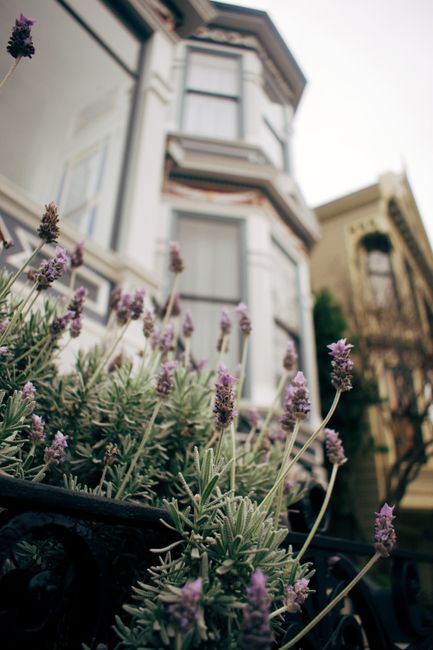
What makes Lavender Hill gardening for narrow Victorian front gardens especially effective is the way it handles contrast. Victorian architecture often has strong details already: sash windows, brickwork, tiled paths, railings, maybe stone steps. Planting should complement that. Lavender, box alternatives, ornamental grasses, compact roses, hydrangeas, and shade-tolerant perennials can all work, but only if they are chosen with scale in mind.
A useful way to think about it is this: the garden is not competing with the house. It is introducing the house. That's the job.
Key Benefits and Practical Advantages
A well-planned narrow front garden can deliver more than curb appeal. It solves problems, supports routine maintenance, and makes a small frontage feel much more valuable than its footprint suggests.
- Better first impression: Clean lines and balanced planting make even the narrowest frontage look cared for.
- Clearer access: A thoughtful layout keeps the approach to the front door easy and safe.
- More usable space: Compact planting leaves room for bins, bikes, or everyday movement.
- Less visual clutter: Repetition and restraint stop the garden from feeling busy.
- Seasonal interest: With the right mix of plants, the garden can look good across several seasons, not just in summer.
- Lower long-term frustration: A sensible design is easier to maintain, which means you are less likely to let it slide.
There is also a quieter benefit that people often overlook. A well-kept front garden changes how the whole street feels. You may not be able to redesign the terrace next door, but you can create a frontage that feels calm and well judged. That has a knock-on effect.
To be fair, the best results are usually not about adding more. They are about choosing fewer, better things and giving them room to breathe.
Who This Is For and When It Makes Sense
This approach is ideal if you own or manage a Victorian terrace or similar period property with a slim front garden, especially around Lavender Hill and nearby London streets where space is at a premium. It also suits homeowners who want the garden to look polished without needing constant intervention.
It makes particular sense if you:
- want to improve curb appeal without a full rebuild
- need to keep a clear path to the front door
- have a front garden that gets patchy sun or half shade
- are dealing with tired paving, overgrown shrubs, or awkward soil
- prefer a classic, period-appropriate look rather than something overly modern
- are considering a low-maintenance planting scheme
It may be less suitable if you want a heavily ornamental or high-colour display in a very tight space with deep shade and poor soil, though even then there are ways to make improvements. You just need to be realistic. The narrowest front gardens often reward restraint. A little too much ambition, and the whole thing starts to feel crowded. Quickly.
For properties that need a broader tidy-up before planting begins, garden clearance is often the sensible first step. You can read more about that on our garden clearance page if you are starting from a bit of a mess, which happens more often than anyone admits.
Step-by-Step Guidance
If you are planning Lavender Hill gardening for narrow Victorian front gardens from scratch, the safest approach is to work in stages. The order matters. Skipping straight to planting is how people end up with a lovely plant in the wrong place and a path that now feels half as wide. Not ideal.
1. Measure the space properly
Start with accurate measurements of the width, length, steps, doorway clearance, and any fixed features such as drains, walls, railings, or utility covers. In a narrow garden, even small differences matter. A border that is 30 cm too deep can change the whole feel.
2. Decide what the garden must do
Ask a simple question: what does this front garden need to do every single day? Maybe it must be easy to walk through. Maybe it should screen ground-floor windows. Maybe it needs enough room for a bin to pass without scraping a shrub. Function comes first.
3. Protect the period character
Victorian front gardens often look best when they keep a few traditional cues: symmetry where appropriate, narrow brick edging, clipped structure, and a restrained plant palette. You do not need to recreate history exactly. But it helps to respect the bones of the house.
4. Build the layout around the path
The path is the spine of the design. Keep it clear and visually tidy. If the path sits slightly off-centre, balance that with planting rather than forcing everything into an artificial symmetry. A slim front garden can look awkward if the path feels like an afterthought.
5. Choose a planting structure first
Begin with evergreen or semi-evergreen structure, then add flowering plants, then seasonal detail. That way the garden still has presence in winter. A front garden that only works for six weeks a year is a bit of a waste, really.
6. Add height carefully
Use wall-trained climbers, narrow upright shrubs, or slender standards if space allows. Height helps in a narrow plot, but only if it is controlled. Too much bulk overhead can make the entrance feel boxed in.
7. Finish with mulch, edging, and maintenance access
Mulch helps suppress weeds and retain moisture. Clean edging keeps the design crisp. And do leave enough access for pruning and seasonal work. People often forget that the garden needs to be maintainable from week to week, not just pretty on day one.
A sensible sequence like this is also what makes future maintenance easier. If you want ongoing help keeping things tidy, our services overview gives a useful snapshot of the kinds of support that can sit around a planting plan.
Expert Tips for Better Results
The best narrow front gardens usually have a few quiet tricks up their sleeve. Nothing flashy. Just careful choices that make the space feel bigger, calmer, and more polished.
Use repetition instead of variety overload
Repeating two or three plant types often looks more sophisticated than scattering many different ones around. In a tight Victorian frontage, repetition creates rhythm. Rhythm creates space. Space feels expensive, if we are being honest.
Choose foliage as seriously as flowers
Flowers are lovely, of course, but foliage carries the garden for most of the year. Mix leaf shapes and tones. Soft grey-green beside glossy deep green can look beautiful against old brick. Lavender is popular for a reason, but don't let its name trick you into thinking everything has to smell the same.
Keep at least one edge sharply defined
A precise edge does a lot of heavy lifting in a small front garden. It can be a low wall, stone edging, clipped border, or a clean path line. One crisp boundary can make the whole space feel deliberate.
Think about sightlines from inside the house
Stand at the front window and look out. That view matters just as much as the view from the street. A plant may look lovely at pavement level but block the nicest sightline from the living room. You will notice this more in winter, especially on grey mornings when you are standing there with a cup of tea wondering why the hydrangea seemed so much smaller in the nursery.
Leave breathing room around the door
The front door area should feel welcoming, not hemmed in. A little negative space around steps and thresholds gives the eye somewhere to rest and helps the entrance feel practical.
Plan for pruning from the start
If a plant will need regular trimming to stay in scale, choose it only if you are happy to do that work. Otherwise it will become one more thing nagging at you in late summer.
Common Mistakes to Avoid
Narrow Victorian front gardens are not complicated, but they do punish bad decisions quite efficiently. A few small missteps can make the whole frontage feel cramped or awkward.
- Planting too densely: Plants need space to mature. Overcrowding leads to weak growth and constant cutting back.
- Ignoring scale: Large shrubs can overpower a slim frontage very quickly.
- Using too many materials: Multiple paving styles, random pots, and mixed edging can look messy in a small space.
- Forgetting access: A beautiful border is no use if you can barely get past it.
- Choosing high-maintenance plants without a plan: If you do not enjoy pruning, pick plants that naturally stay manageable.
- Blocking light to the house: Tall planting can darken the interior and make the frontage feel closed in.
- Skipping soil improvement: Old front gardens can have tired, compacted, or builder-disturbed soil. Planting straight into poor ground is a false economy.
One of the biggest mistakes is trying to make a tiny garden do the job of a large one. It won't. And that is fine. Small can be elegant. Small can be smart. Small can be much, much better than overdone.
Tools, Resources and Recommendations
You do not need a shed full of specialist kit to improve a narrow Victorian front garden. In practice, a few reliable tools and some sensible materials go a long way.
| Item | Why it helps | Best use in a narrow front garden |
|---|---|---|
| Hand pruners | Clean cuts without damaging stems | Routine trimming, deadheading, and small corrections |
| Long-handled trowel | Useful in tight borders | Planting bulbs, perennials, and edging work |
| Sharp edging tool | Creates crisp lines | Keeping paths and borders neat |
| Mulch or bark | Helps retain moisture and suppress weeds | Freshening planting areas and reducing upkeep |
| Gravel or paving cleaner | Keeps hard surfaces smart | Maintaining paths and threshold areas |
| Soil improver | Improves structure and drainage | Front borders with tired or compacted ground |
On the plant side, it helps to think in categories rather than shopping impulse-by-impulse. Structural shrubs, compact evergreens, pollinator-friendly flowering plants, and climbers each play a role. If you want a more landscape-led approach, our landscape gardening page sits nicely alongside this kind of planning.
If your front garden includes a hedge line or you are using shrubs to define the boundary, regular shaping keeps the scale under control. Our hedge trimming service information may be useful there, especially in spring and late summer when things can suddenly get away from you.
For ongoing trust signals and operational detail, it can also be worth reviewing practical company pages such as insurance and safety and health and safety policy if you are comparing local support options. Not glamorous, perhaps, but sensible.
Law, Compliance, Standards, or Best Practice
For most homeowners, Lavender Hill gardening for narrow Victorian front gardens is less about formal compliance and more about good practice. Even so, there are a few practical considerations worth keeping in mind.
If your front garden adjoins a public pavement, keep planting, edging, and containers from creating trip hazards or obstructing access. In London, that is simply a common-sense issue as much as anything else. You also want to avoid letting plants spill beyond your boundary in ways that interfere with neighbours or passers-by. A generous garden should not become everyone else's inconvenience.
If you live in a conservation area, a listed building, or a property with existing restrictions, take extra care before changing hard landscaping, railings, or other visible features. Victorian streets can carry a lot of character, and sometimes a small change has bigger visual consequences than expected.
Good practice usually means:
- keeping paths safe and passable
- maintaining clear access to doors, meters, and bins
- using appropriate plant sizes for the available space
- disposing of green waste responsibly
- working carefully around existing services and drains
For households that prefer a documented approach, it can help to look at how a contractor presents its policies and procedures. Pages such as recycling and sustainability and payment and security can be reassuring when you are deciding who to trust with your garden.
Options, Methods, or Comparison Table
There is no single correct style for a narrow Victorian front garden. The best choice depends on how much maintenance you want, how much light the space gets, and whether you prefer a formal or relaxed look. Here is a simple comparison to help you think it through.
| Approach | Best for | Maintenance level | Visual effect |
|---|---|---|---|
| Formal structure with clipped planting | Traditional Victorian homes, neat streetscapes | Moderate | Smart, orderly, classic |
| Soft cottage-style planting | Homeowners wanting a gentler feel | Moderate to high | Warm, layered, romantic |
| Minimalist gravel and restrained planting | Very narrow plots, busy owners | Low to moderate | Clean, modern, spacious |
| Mixed structure with seasonal planting | Those wanting flexibility | Moderate | Balanced and lively |
For narrow Victorian front gardens, the formal or mixed-structure approach usually works best because it respects the architecture. But if you are short on time, a carefully restrained gravel scheme can be very effective too. The key is coherence. A little chaos in a large back garden can be charming. In a front garden the size of a hallway, not so much.
Case Study or Real-World Example
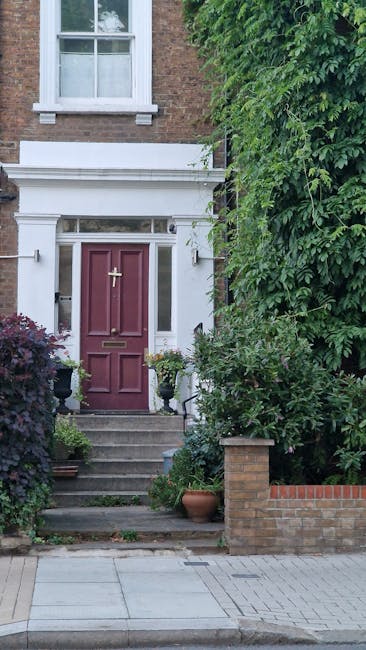
Picture a typical Lavender Hill frontage: a slim path, low brick edging, a shallow bed by the railings, and a front window that gets morning light but afternoon shade. The garden looks tired, with patchy soil, one overgrown shrub, and a couple of pots that have seen better days.
A sensible redesign might begin by clearing the bed back to basics, improving the soil, and keeping the central path completely open. One side could carry a compact evergreen shrub for year-round shape, while the other side could use a repeat planting of lavender, hardy geraniums, and a shade-tolerant perennial near the house. A climber on the wall or railings would add vertical interest without taking up ground space.
What changes most is not the number of plants, but the sense of order. The garden feels twice as wide because the eye can move through it without interruption. The brickwork shows properly. The front door looks more intentional. And the whole frontage stops feeling like a leftover strip of land.
That sort of result is exactly why small front gardens deserve proper design, not just a quick tidy. A few thoughtful decisions can change the mood of the whole house.
Practical Checklist
Use this checklist before you start, or when you are reviewing an existing front garden that never quite feels right.
- Measure the width, length, and clear walking line accurately
- Check how much sun, shade, and shelter the space gets
- Decide how much maintenance you are realistically willing to do
- Keep the path and doorway area uncluttered
- Choose a small, repeated plant palette rather than too many varieties
- Use plants that suit the scale of a narrow Victorian frontage
- Improve tired or compacted soil before planting
- Include at least one evergreen or structural element
- Plan for pruning access from the beginning
- Keep edging, paving, and borders crisp and simple
- Leave room for bins, delivery access, and everyday movement
- Review the view from both the street and inside the house
Expert summary: if you remember only one thing, make it this: narrow Victorian front gardens work best when they feel calm, proportionate, and easy to maintain. That usually means fewer plant types, a clearer path, and one or two strong design moves rather than many small ones. Simple is not boring. Simple is often what lasts.
If you are comparing help for a one-off tidy-up or ongoing care, it is sensible to start with pricing and quotes so you can match the scope of work to the garden's needs. A short conversation can save a lot of guesswork later.
Conclusion
Lavender Hill gardening for narrow Victorian front gardens is really about balance: respect the period house, work with the space you have, and keep the design honest. Narrow front gardens can look superb when they are treated with restraint and care. They do not need to be packed full to feel rich. In fact, they usually look better when they are not.
Whether you are starting from scratch or trying to rescue an overfilled frontage, focus on scale, access, and structure first. The planting can then do what it should do best: soften the space, add life through the seasons, and make coming home feel a bit nicer. That's the lovely bit, isn't it? A good front garden quietly improves ordinary days.
Get a free quote today and see how much you can save.
And if you are still weighing things up, take your time. The right garden plan has a way of revealing itself once you stop forcing it. Funny, that.
Frequently Asked Questions
What makes Lavender Hill gardening for narrow Victorian front gardens different from other front garden designs?
The main difference is scale and context. Victorian front gardens often need to respect the house's proportions, preserve a clear entrance, and work within a very limited width. On Lavender Hill, that usually means combining neat structure with compact planting rather than trying to create a large, showy display.
What plants work best in a narrow Victorian front garden?
Plants that stay compact and are easy to shape usually work best. Think small evergreen shrubs, climbers, lavender, hardy perennials, ornamental grasses, and shade-tolerant choices where needed. The exact mix depends on light levels and how formal you want the garden to feel.
How do I make a small front garden look wider?
Keep the path clear, use repeated planting rather than too many species, and avoid bulky shrubs near the entrance. Crisp edges and a limited palette help the eye move smoothly through the space, which makes it feel broader than it is.
Is a low-maintenance design possible for a Victorian front garden?
Yes, absolutely. In fact, narrow front gardens often work better when they are kept fairly simple. Choose reliable plants, use mulch, and avoid species that need constant reshaping. Low-maintenance does not mean dull; it just means more thoughtful.
Should I use gravel, paving, or planting in a narrow front garden?
Usually, a balanced mix is best. Hard landscaping gives structure and practicality, while planting softens the look. Too much of either one can cause problems: all paving can feel hard, while all planting can become cramped. A small, tidy border with a clear path is often the sweet spot.
How often should a narrow front garden be maintained?
Most narrow front gardens benefit from light attention every couple of weeks in the growing season, plus a more thorough tidy-up at key points in the year. Little and often tends to work better than leaving everything until it becomes a weekend project from hell.
Can I keep a Victorian front garden looking traditional without making it fussy?
Yes. Traditional does not have to mean overcomplicated. A restrained plant palette, simple edging, and one or two period-friendly features are usually enough. The goal is elegance, not a costume drama.
What should I do with an overgrown front garden before redesigning it?
Start by clearing back the clutter and removing anything that blocks the path or overwhelms the space. Then assess what is worth keeping. If the garden needs a full reset, a proper clearance stage will make the redesign much easier and cleaner.
Do I need permission to change my front garden?
In many cases, simple planting changes do not need formal permission, but there can be exceptions depending on the property and location. If your home is listed, in a conservation area, or has restrictions, it is wise to check before altering visible features or hard landscaping.
How much should I spend on a narrow front garden makeover?
Costs vary widely depending on whether you are just improving planting or changing paving, edging, and access. The main point is to prioritise the parts that affect daily use first. A well-planned small scheme often gives better value than trying to do everything at once.
What is the biggest mistake people make with narrow Victorian front gardens?
Overfilling the space. It is the most common issue by far. A narrow frontage can look tidy and generous, but only if each element has room to breathe. If everything is competing for attention, the garden starts to feel smaller, not better.
Who should I speak to if I want help planning or maintaining the garden?
A local garden professional who understands small urban front gardens, period properties, and the practical demands of maintenance is usually the best starting point. If you are comparing support, look at service scope, safety standards, and how clearly they explain the work.